As GPU rack densities rise, air cooling reaches practical limits. Liquid cooling consistently shows lower cooling energy per unit of compute in dense deployments, but the decision is rarely purely technical.
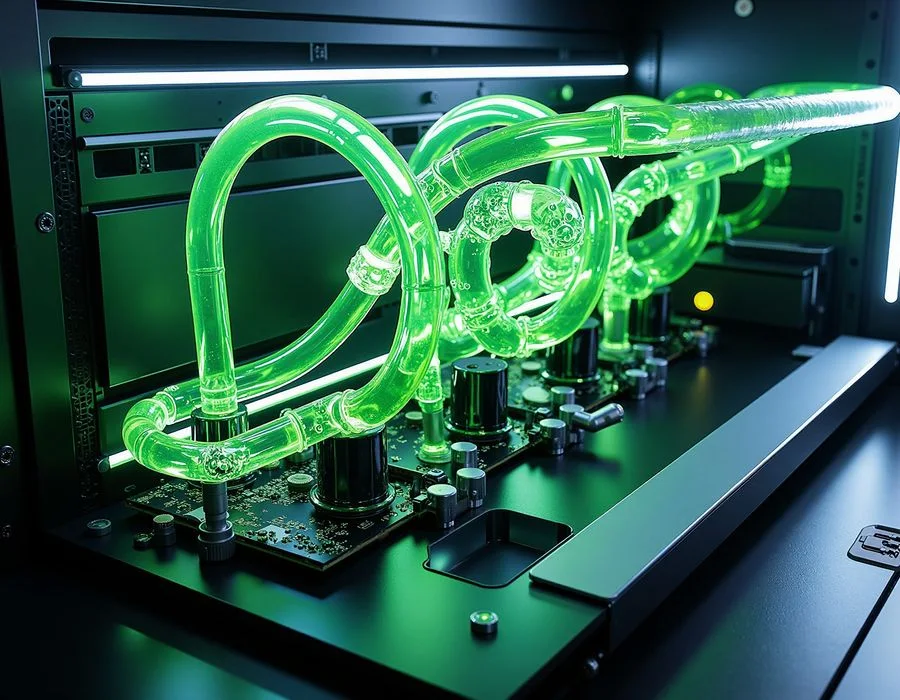
Direct-to-chip liquid cooling delivers the largest efficiency gain for dense GPU trays and can be retrofitted into existing racks where floor loading and leak management are addressed. Immersion cooling offers the highest density but requires purpose-built facilities and changes how hardware is serviced.
The trade-offs that matter in practice are facility readiness, maintenance workflow and total cost of ownership over the asset life, rather than the headline efficiency figure. Leak detection, coolant handling and technician training all carry real operational cost.
The sensible approach is to match cooling technology to the actual density of each deployment, and to prefer facility partners who can evidence measured efficiency outcomes rather than quoted specifications.